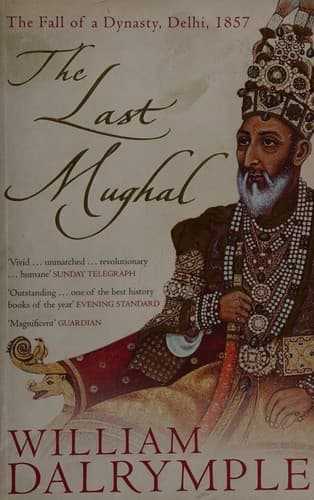
A vivid history of Bahadur Shah Zafar and Delhi’s fall in the 1857 uprising, ending Mughal rule and a remarkable culture.
Owned
No reviews yet
Owned
A vivid history of Bahadur Shah Zafar and Delhi’s fall in the 1857 uprising, ending Mughal rule and a remarkable culture.
About
Details
On a dark evening in November 1862, a cheap coffin is buried in eerie silence. There are no lamentations or panegyrics, for the British Commissioner in charge has insisted, 'No vesting will remain to distinguish where the last of the Great Mughals rests.' This Mughal is Bahadur Shah Zafar II, one of the most tolerant and likeable of his remarkable dynasty who found himself leader of a violent and doomed uprising. The Siege of Delhi was the Raj's Stalingrad, the end of both Mughal power and a rem...
What's Inside
will contain mild spoilers
Sexual content
AI
No evidence found in available sources
Violence & gore
AI
Siege battles, massacres, executions, and bloody reprisals of the 1857 uprising
Profanity
AI
No evidence found in available sources
Substance use
AI
Brief period references to courtly drinking and opium use
LGBTQ+ Rep.
AI
No evidence found in available sources
Religious content
AI
Islamic court culture, Hindu-Muslim practice, missionary tension drive the revolt
Magic & witchcraft
AI
No fantasy magic or witchcraft present
Occult / demonology
AI
No evidence found in available sources
Political content
AI
Colonialism, imperialism, and the 1857 anti-colonial uprising are central
Self-harm / suicide
AI
No evidence found in available sources
Abuse & suffering
AI
Mass civilian suffering, harsh colonial reprisals, and wartime cruelty
Other
AI
No information found