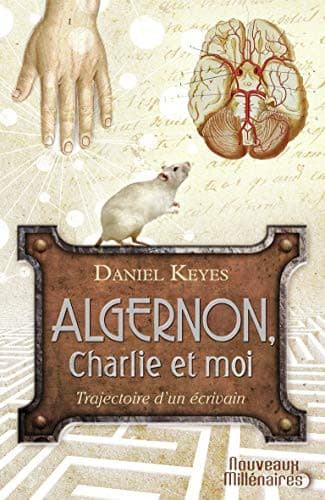
Daniel Keyes explores the lingering impact of his character Charlie Gordon in *Algernon, Charlie Et Moi*, reflecting on the creation of *Flowers for Algernon*. He delves into how the story mirrors his own experiences and questions about human intelligence, while recounting the challenging journey of getting the work published. This autobiographical essay offers a poignant glimpse into mid-20th-century American literary life.
Owned
No reviews yet
Owned
Daniel Keyes explores the lingering impact of his character Charlie Gordon in *Algernon, Charlie Et Moi*, reflecting on the creation of *Flowers for Algernon*. He delves into how the story mirrors his own experiences and questions about human intelligence, while recounting the challenging journey of getting the work published. This autobiographical essay offers a poignant glimpse into mid-20th-century American literary life.
About
Details
"Pourquoi, soixante ans après la rédaction des Fleurs pour Algernon, le personnage de Charlie Gordon me hante-t-il toujours ?" C'est par cette interrogation que Daniel Keyes ouvre cet essai autobiographique, dans lequel il revient sur la genèse d'un des textes majeurs de la littérature contemporaine. Il nous explique comment Des fleurs pour Algernon est un condensé de son expérience et de ses questionnements sur l'intelligence humaine, mais il nous raconte aussi l'histoire éditoriale d'une nouve...
What's Inside
will contain mild spoilers
Sexual content
AI
Brief mentions of sexual awakening in the included short story; fade-to-black and non-explicit.
Violence & gore
AI
Mild emotional distress and implied bullying in the short story; no graphic violence.
Profanity
AI
Occasional mild profanity in dialogue within the short story.
Substance use
AI
Brief references to alcohol consumption in social settings in the short story.
LGBTQ+ Rep.
AI
No LGBTQIA+ representation present.
Religious content
AI
No religious themes present.
Magic & witchcraft
AI
No witchcraft or occult elements.
Occult / demonology
AI
No evidence found in available sources.
Political content
AI
Subtle commentary on education, disability rights, and societal treatment of intelligence differences.
Self-harm / suicide
AI
Implied emotional ideation and despair in the short story; no on-page acts.
Abuse & suffering
AI
Recurring themes of emotional abuse, bullying of the disabled, and family rejection in the short story; memoir discusses real-life inspirations from teaching special classes.
Other
AI
No information found