Biography
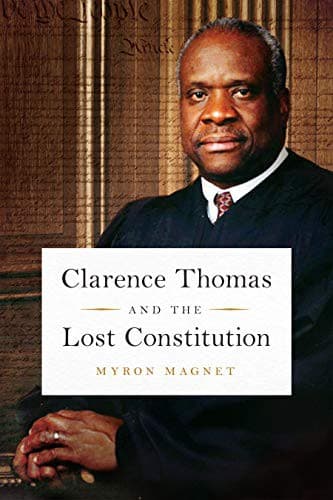
Clarence Thomas and the Lost Constitution
2019·168 pages
Analyzes Justice Clarence Thomas's originalist opinions and efforts to restore the framers' limited constitutional order against the administrative state and living Constitution.
Owned
Owned
Analyzes Justice Clarence Thomas's originalist opinions and efforts to restore the framers' limited constitutional order against the administrative state and living Constitution.
About
Details
When Clarence Thomas joined the Supreme Court in 1991, he found with dismay that it was interpreting a very different Constitution from the one the framers had written--the one that had established a federal government manned by the people's own elected representatives, charged with protecting citizens' inborn rights while leaving them free to work out their individual happiness themselves, in their families, communities, and states. He found that his predecessors on the Court were complicit in ...
What Readers Think
What's Inside
will contain mild spoilers
Sexual content
AI
No romantic or sexual content present
Violence & gore
AI
No violence or gore present
Profanity
AI
No evidence found in available sources
Substance use
AI
No evidence found in available sources
LGBTQ+ Rep.
AI
No evidence found in available sources
Religious content
AI
No evidence found in available sources
Magic & witchcraft
AI
No magic or witchcraft present
Occult / demonology
AI
No occult or demonology content present
Political content
AI
Central focus on originalism, the administrative state, and constitutional interpretation
Self-harm / suicide
AI
No evidence found in available sources
Abuse & suffering
AI
Covers segregation, racial injustice, and denial of Black citizenship rights
Other
AI
No information found