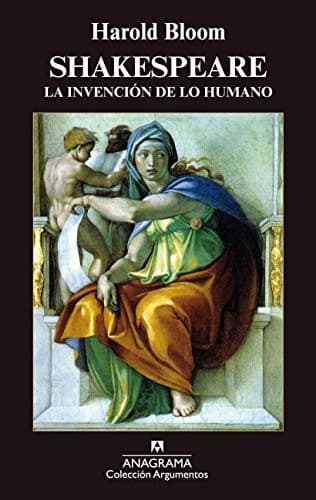
Harold Bloom's exhaustive critical study of all Shakespeare's plays, tracing the evolution of human characterization from archetypes to fully realized individuals.
Owned
No reviews yet
Owned
Harold Bloom's exhaustive critical study of all Shakespeare's plays, tracing the evolution of human characterization from archetypes to fully realized individuals.
About
Details
En este extraordinario libro -la culminación de toda una vida consagrada a leer, enseñar y escribir sobre Shakespear- Bloom demuestra una vez más que es el más eminente crítico literario de nuestro tiempo. "Shakespeare, la invención de lo humano" es un completo, ambicioso, apasionado y convincente análisis de la obra literaria más importante del canon occidental, y del autor teatral que no sólo inventó la lengua inglesa, sino que también -tal como argumenta Bloom- inventó la naturaleza humana ta...
What's Inside
will contain mild spoilers
Sexual content
AI
Discusses romantic and sexual dynamics across multiple plays including Romeo and Juliet and Antony and Cleopatra.
Violence & gore
AI
Analyzes violent action and death in tragedies such as Macbeth, Hamlet, and King Lear.
Profanity
AI
References Shakespeare's inventive use of language and occasional bawdy speech.
Substance use
AI
Mentions Falstaff's drinking and related tavern scenes in the history plays.
LGBTQ+ Rep.
AI
Notes cross-dressing and gender fluidity in comedies such as As You Like It.
Religious content
AI
Examines religious motifs, sin, and redemption themes in the tragedies and histories.
Magic & witchcraft
AI
Covers supernatural elements including the witches in Macbeth and fairies in A Midsummer Night's Dream.
Occult / demonology
AI
Touches on ghosts, apparitions, and prophetic visions in several plays.
Political content
AI
Explores power, kingship, and political ambition in the history plays and tragedies.
Self-harm / suicide
AI
References suicides and self-inflicted deaths in Hamlet, Othello, and Antony and Cleopatra.
Abuse & suffering
AI
Discusses suffering, betrayal, and cruelty in King Lear and other tragedies.
Other
AI
No information found