Essays
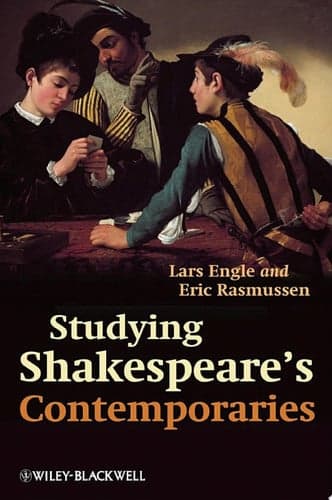
Studying Shakespeare's Contemporaries
2013·272 pages
Accessible scholarly guide to major non-Shakespearean English Renaissance plays, thematically organized for study and reference.
Owned
No reviews yet
Owned
Accessible scholarly guide to major non-Shakespearean English Renaissance plays, thematically organized for study and reference.
About
Details
Studying Shakespeare’s Contemporaries is an accessible guide to non-Shakespearian English drama of the late 16th and early 17th centuries. Featuring works of prestigious playwrights such as Kyd, Marlowe, Jonson, Webster, and Middleton, Lars Engle describes the conditions under which Renaissance plays were commissioned, written, licensed, staged, and published. Plays are organized by theme and explored individually, creating a text that can be read as a complete overview of English Renaissance dr...
What's Inside
will contain mild spoilers
Sexual content
AI
Academic discussion of courtship and sexual themes in period plays
Violence & gore
AI
Analyzes revenge tragedies involving murder, torture, and bloody plots
Profanity
AI
Occasional strong period language quoted from the plays discussed
Substance use
AI
No evidence found in available sources
LGBTQ+ Rep.
AI
Same-sex desire addressed in coverage of plays such as Marlowe’s Edward II
Religious content
AI
Recurring faith, damnation, and religious context across Renaissance drama
Magic & witchcraft
AI
No fantasy-genre magic present
Occult / demonology
AI
Demonic pacts and spirits discussed, especially in Doctor Faustus
Political content
AI
Licensing, patronage, and political contexts of Renaissance drama
Self-harm / suicide
AI
Suicide and self-destruction themes referenced in tragic drama
Abuse & suffering
AI
Cruelty, coercion, and suffering in revenge tragedies and dark plots
Other
AI
No information found