A Lincolnshire farmer resists Norman rule after 1066 in a novel written in invented Old English, exploring loss, identity, and upheaval.
Owned
No reviews yet
Owned
A Lincolnshire farmer resists Norman rule after 1066 in a novel written in invented Old English, exploring loss, identity, and upheaval.
About
Details
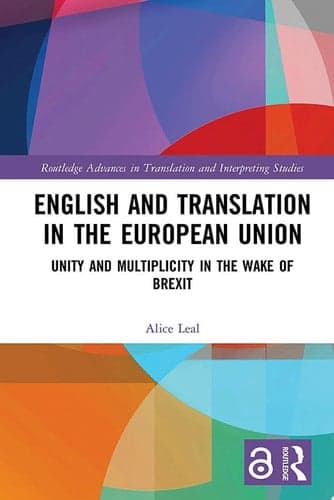
This book explores the growing tension between multilingualism and monolingualism in the European Union in the wake of Brexit, underpinned by the interplay between the rise of English as a lingua franca and the effacement of translations in EU institutions, bodies and agencies. English and Translation in the European Union draws on an interdisciplinary approach, highlighting insights from applied linguistics and sociolinguistics, translation studies, philosophy of language and political theory, ...
What's Inside
will contain mild spoilers
Sexual content
AI
No evidence found in available sources
Violence & gore
AI
Wife-beating and fits of rage by narrator; historical conquest violence implied
Profanity
AI
Foul-mouthed narrator with frequent strong language
Substance use
AI
No evidence found in available sources
LGBTQ+ Rep.
AI
No evidence found in available sources
Religious content
AI
No evidence found in available sources
Magic & witchcraft
AI
No evidence found in available sources
Occult / demonology
AI
No evidence found in available sources
Political content
AI
Themes of national crisis, conquest, identity, and resistance to change
Self-harm / suicide
AI
No evidence found in available sources
Abuse & suffering
AI
Domestic violence including wife-beating by protagonist
Other
AI
No information found