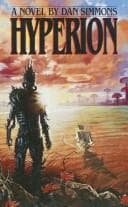
In Dan Simmons' Hyperion, the Hegemony of Man spans hundreds of planets in the 29th century, linked by farcaster portals, while facing tensions with AI entities and Ouster humans. On the remote planet Hyperion, a group of pilgrims embarks on a critical journey to the mysterious Time Tombs, sharing personal stories of their selection for this pivotal mission as an invasion looms.
Owned
No reviews yet
Owned
In Dan Simmons' Hyperion, the Hegemony of Man spans hundreds of planets in the 29th century, linked by farcaster portals, while facing tensions with AI entities and Ouster humans. On the remote planet Hyperion, a group of pilgrims embarks on a critical journey to the mysterious Time Tombs, sharing personal stories of their selection for this pivotal mission as an invasion looms.
About
Details
In the 29th century, the Hegemony of Man comprises hundreds of planets connected by farcaster portals. The Hegemony maintains an uneasy alliance with the TechnoCore, a civilisation of AIs. Modified humans known as Ousters live in space stations between stars and are engaged in conflict with the Hegemony.
Numerous "Outback" planets have no farcasters and cannot be accessed without incurring significant time dilation. One of these planets is Hyperion, home to structures known as the Time Tombs,...
More In This Series
View all books in this series
What's Inside
will contain mild spoilers
Sexual content
AI
Explicit on-page sex scenes including during battles; multiple fade-to-black encounters; frequent nudity, crude descriptions, and mentions of pedophilia. Scenes of sexual assault, violence, and coercion mentioned in pilgrims' tales.
Violence & gore
AI
Graphic depictions of blood, gore, body horror, torture, gun violence, and death pervasive in pilgrims' tales and Shrike encounters.
Profanity
AI
Frequent strong swearing, crude language, and offensive terms throughout the narrative.
Substance use
AI
Depictions of alcohol and drug use, including addiction and abuse themes in character backstories.
LGBTQ+ Rep.
AI
No LGBTQIA+ representation present.
Religious content
AI
Central themes of faith, clergy involvement, religious rituals, and explorations of Christianity in several pilgrims' stories.
Magic & witchcraft
AI
Minor fantastical elements like the Shrike creature and Time Tombs, without overt occult rituals or summoning.
Occult / demonology
AI
No evidence found in available sources.
Political content
AI
Explorations of interstellar politics, AI alliances, colonial conflicts, and critiques of information overload in society.
Self-harm / suicide
AI
Instances of suicidal thoughts, attempts, and self-harm depicted in character narratives.
Abuse & suffering
AI
Depictions of child abuse, animal cruelty, slavery, genocide, and systemic suffering including colonization and war atrocities. Scenes of sexual assault, violence, and coercion mentioned in pilgrims' tales.
Other
AI
No information found