Literary Fiction
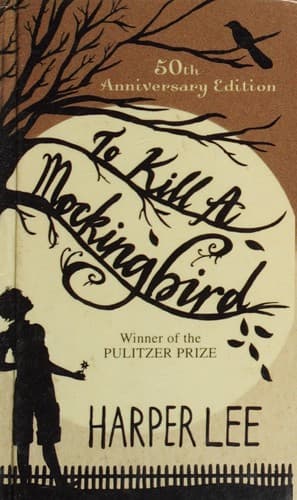
To Kill a Mockingbird
1960·320 pages
In 1930s Alabama, a young girl witnesses her father's defense of a black man falsely accused of rape, exploring themes of racial injustice and moral growth.
Owned
Owned
In 1930s Alabama, a young girl witnesses her father's defense of a black man falsely accused of rape, exploring themes of racial injustice and moral growth.
About
Details
One of the best-loved stories of all time, To Kill a Mockingbird has been translated into more than 40 languages, sold more than 30 million copies worldwide, served as the basis for an enormously popular motion picture, and voted one of the best novels of the 20th century by librarians across the United States. A gripping, heart-wrenching, and wholly remarkable tale of coming-of-age in a South poisoned by virulent prejudice, it views a world of great beauty and savage inequities through the eyes...
What Readers Think
View all 5 reviewsMore In This Series
View all books in this series
What's Inside
will contain mild spoilers
Sexual content
AI
Mild kissing; nongraphic discussion of rape in trial context. False rape accusation central to plot; trial discussions of assault and coercion.
Violence & gore
AI
Mob violence attempts; a dog shooting; discussions of beatings, hangings, and gun use.
Profanity
AI
Frequent racial slurs including N-word; some cursing and derogatory language.
Substance use
AI
Mentions of alcoholism and morphine addiction portrayed cautionarily.
LGBTQ+ Rep.
AI
No LGBTQIA+ representation.
Religious content
AI
Brief references to Christian ethics and church attendance.
Magic & witchcraft
AI
No witchcraft or occult elements.
Occult / demonology
AI
No evidence found in available sources.
Political content
AI
Central themes of racial prejudice, classism, and social justice in 1930s South.
Self-harm / suicide
AI
No self-harm or suicide depicted.
Abuse & suffering
AI
Racial violence, child neglect, bullying, and systemic prejudice against Black people. False rape accusation central to plot; trial discussions of assault and coercion.
Other
AI
No information found